



Real Masonry Work in the Field
A selection of TrueNorth masonry work across repair, restoration, rebuild, and planned project scopes.
Featured TrueNorth Projects
Selected repair, restoration, rebuild, and stonework examples from documented TrueNorth projects.
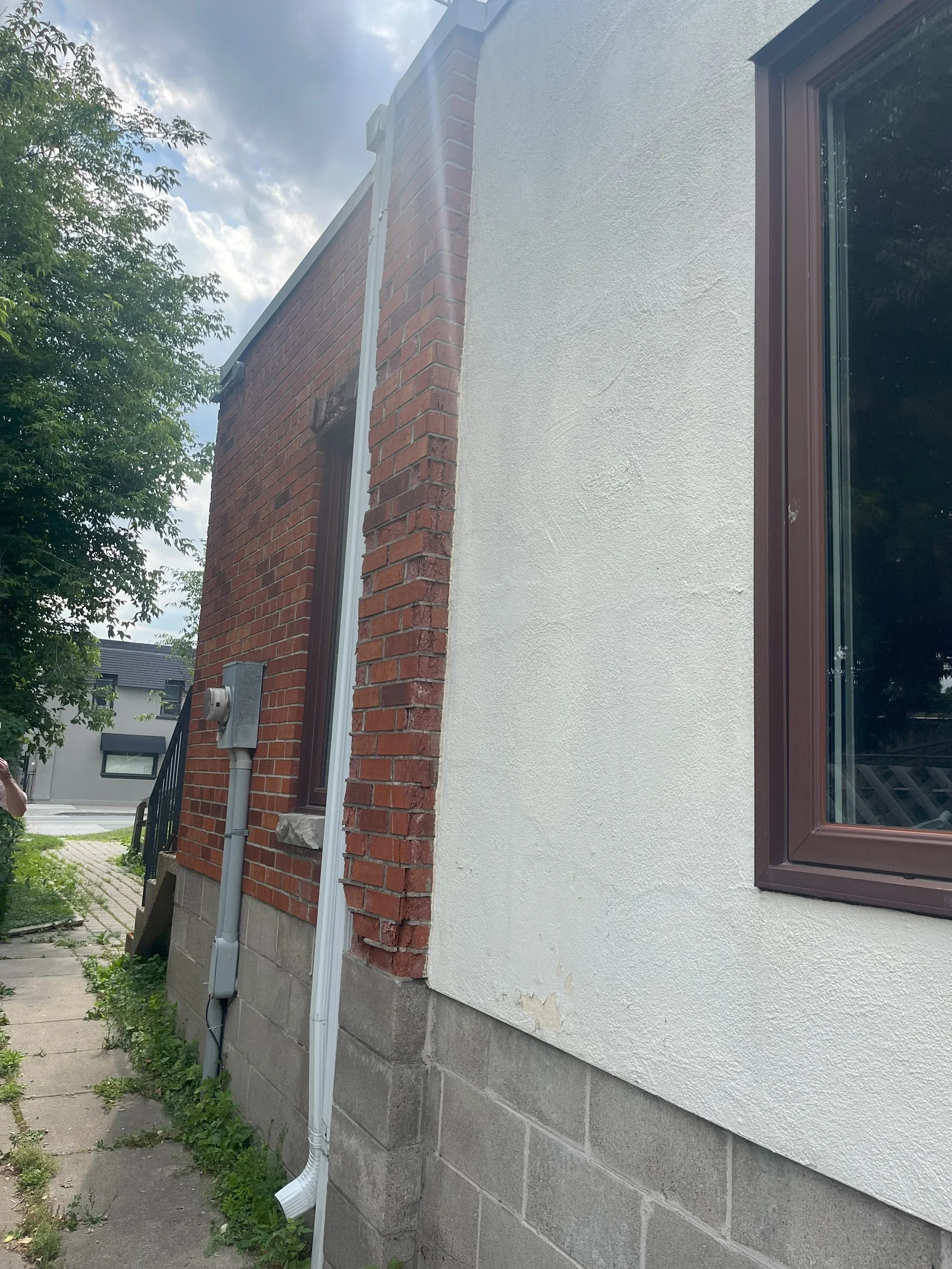
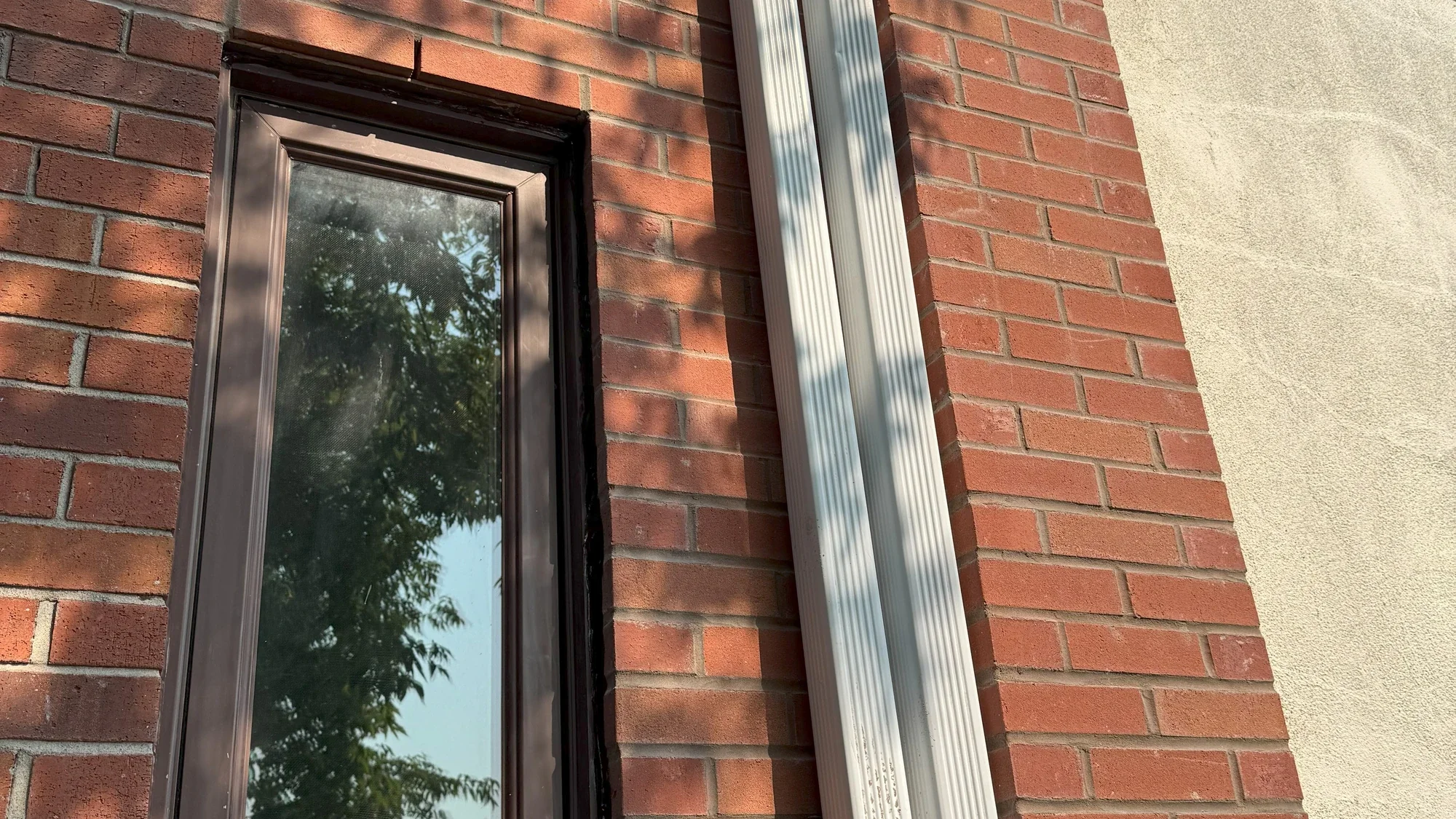
Brick Wall Restoration
A deteriorated brick wall area was restored around an exterior opening. The documented sequence pairs the original condition with the completed wall.
Learn about brick deterioration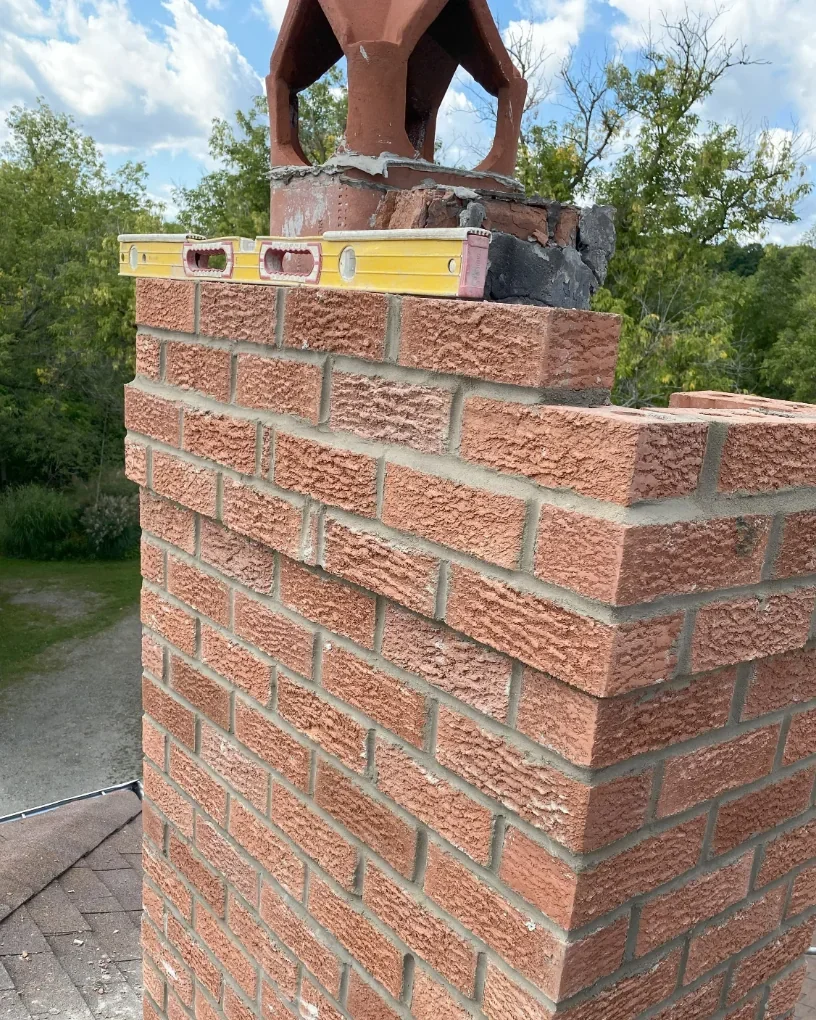
Brick Chimney Rebuild
New brick courses are shown during a chimney rebuild. The in-progress view records the masonry work without presenting it as a finished result.
Compare chimney repair and rebuild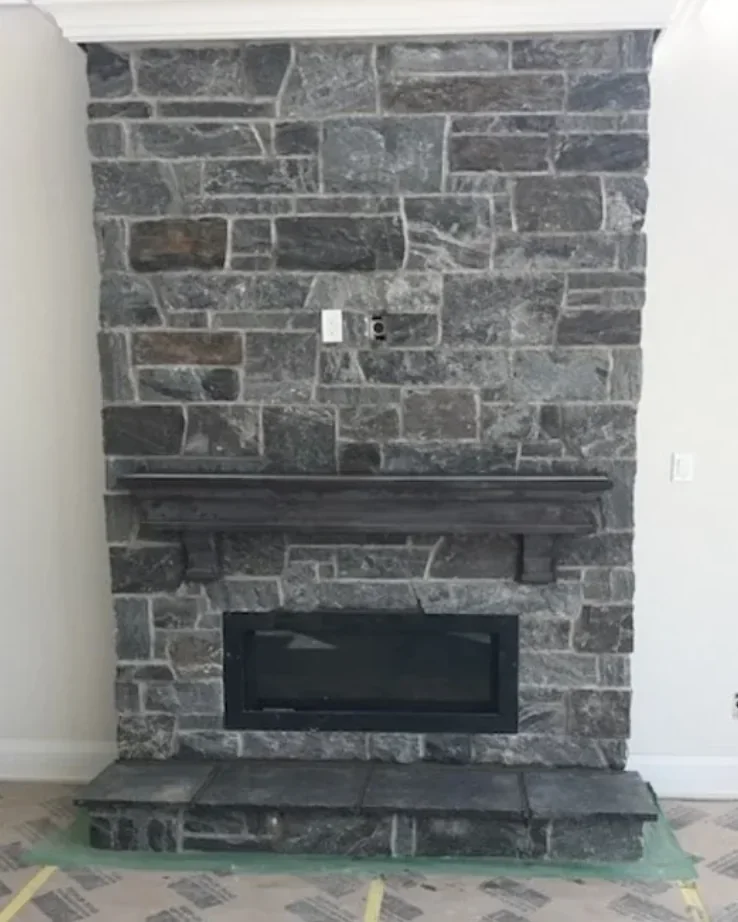
Interior Thin Stone Fireplace
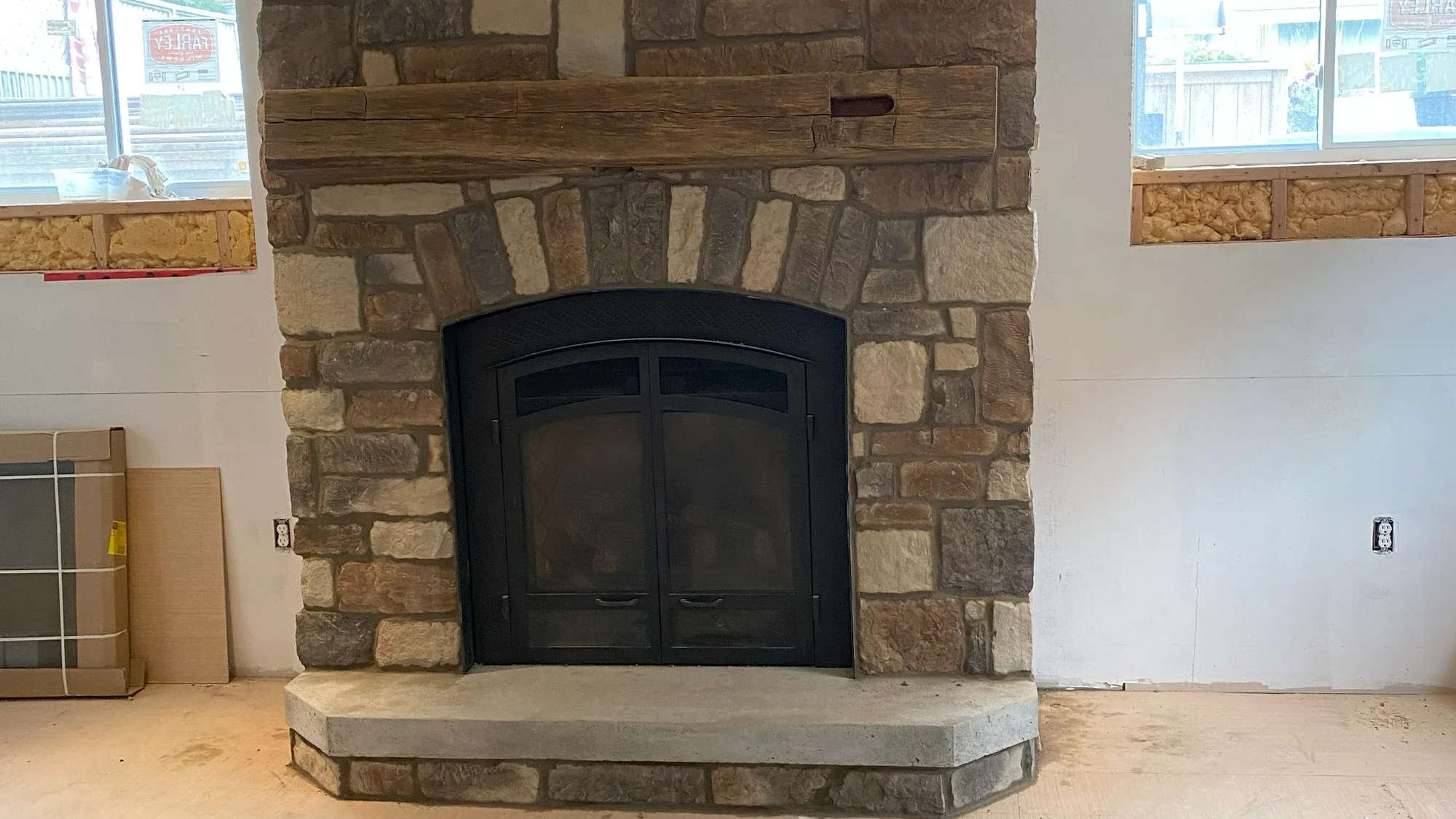
A completed thin stone fireplace surrounds the firebox and continues across the hearth. The finished view records the visible stone pattern and interior context.
Flagstone Entrance Repointing
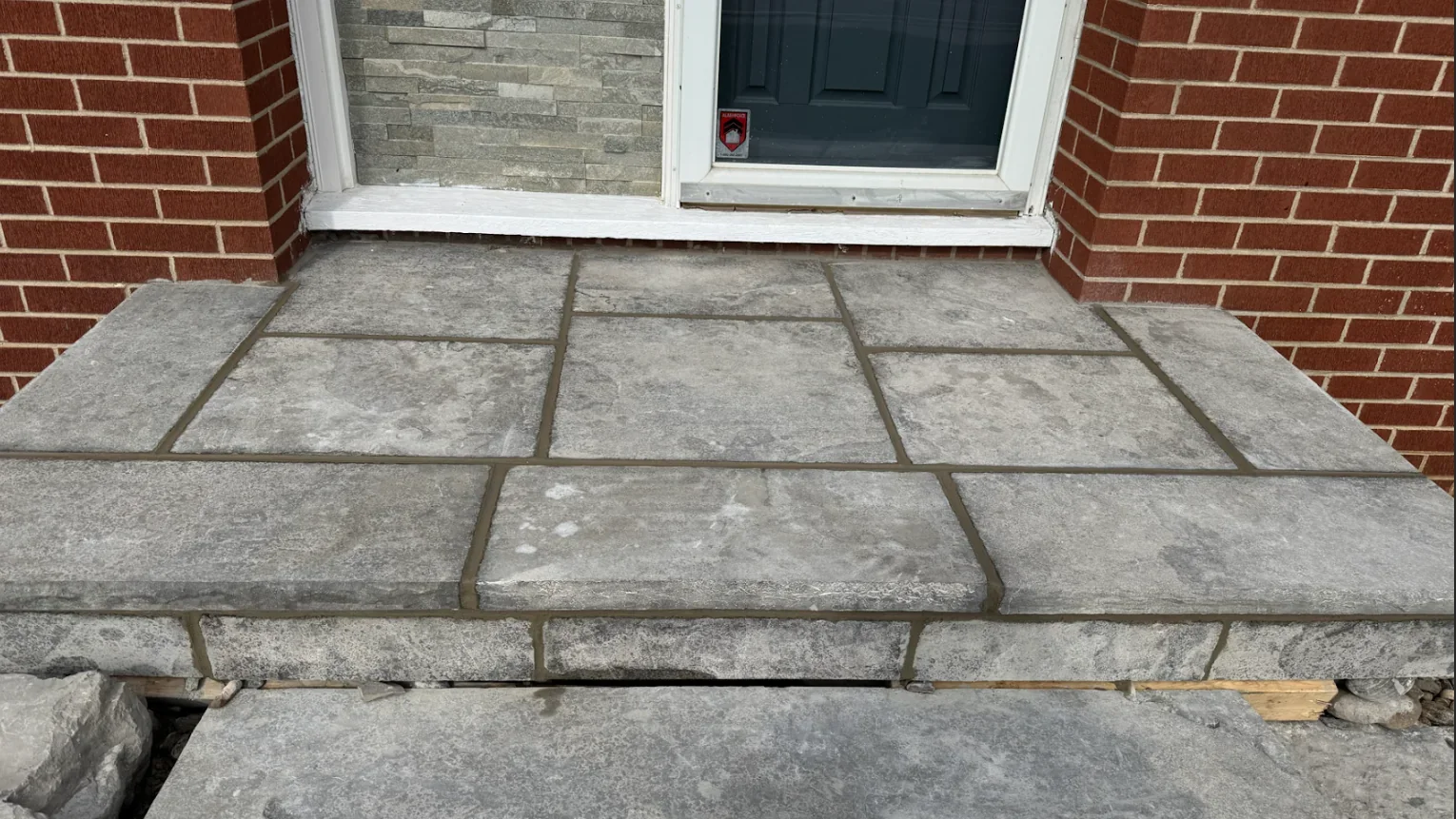
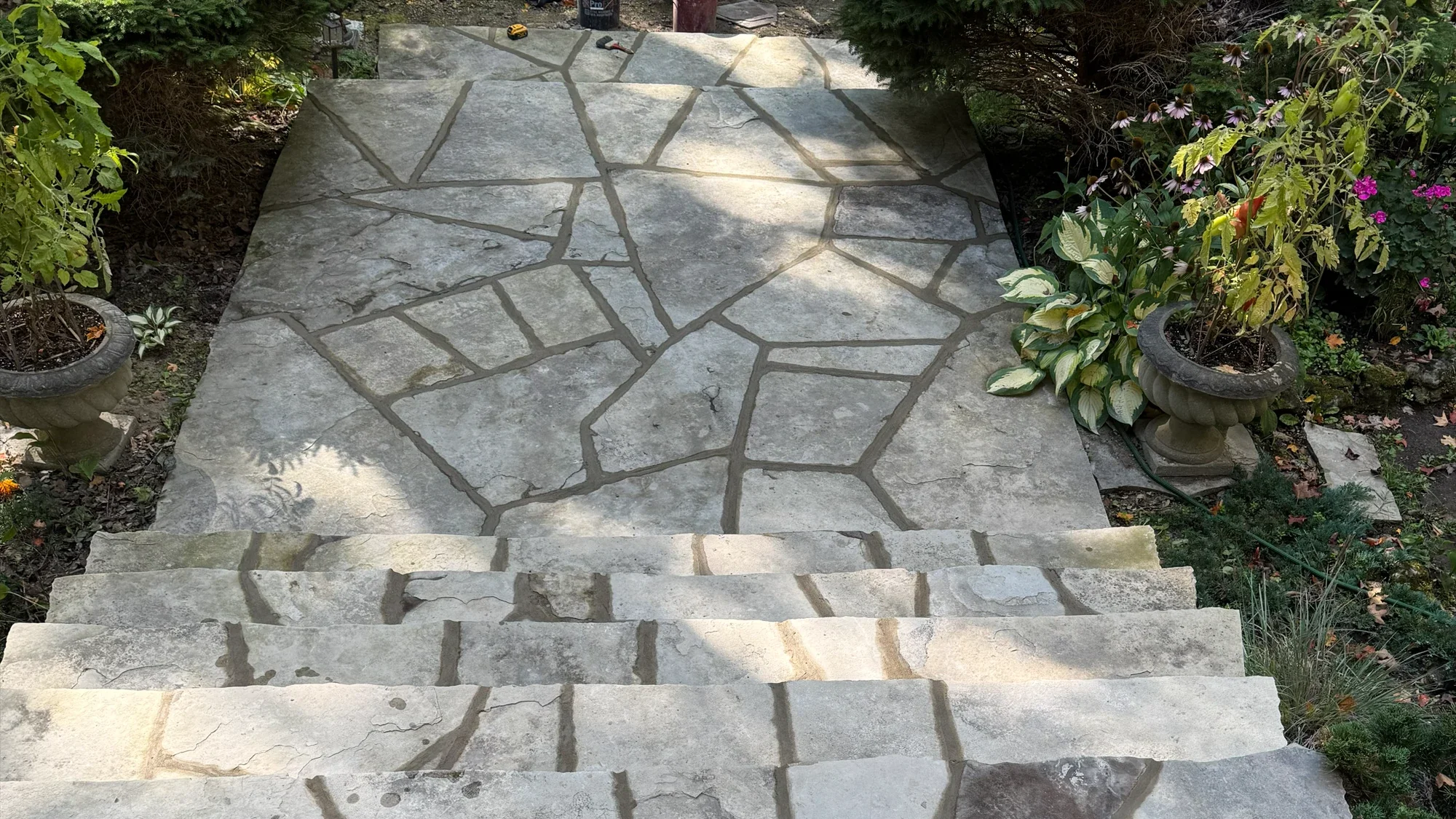
The mortar joints across this flagstone entrance were repointed. The completed view retains the entrance, step, and surrounding brick context.
Block Foundation Rebuild
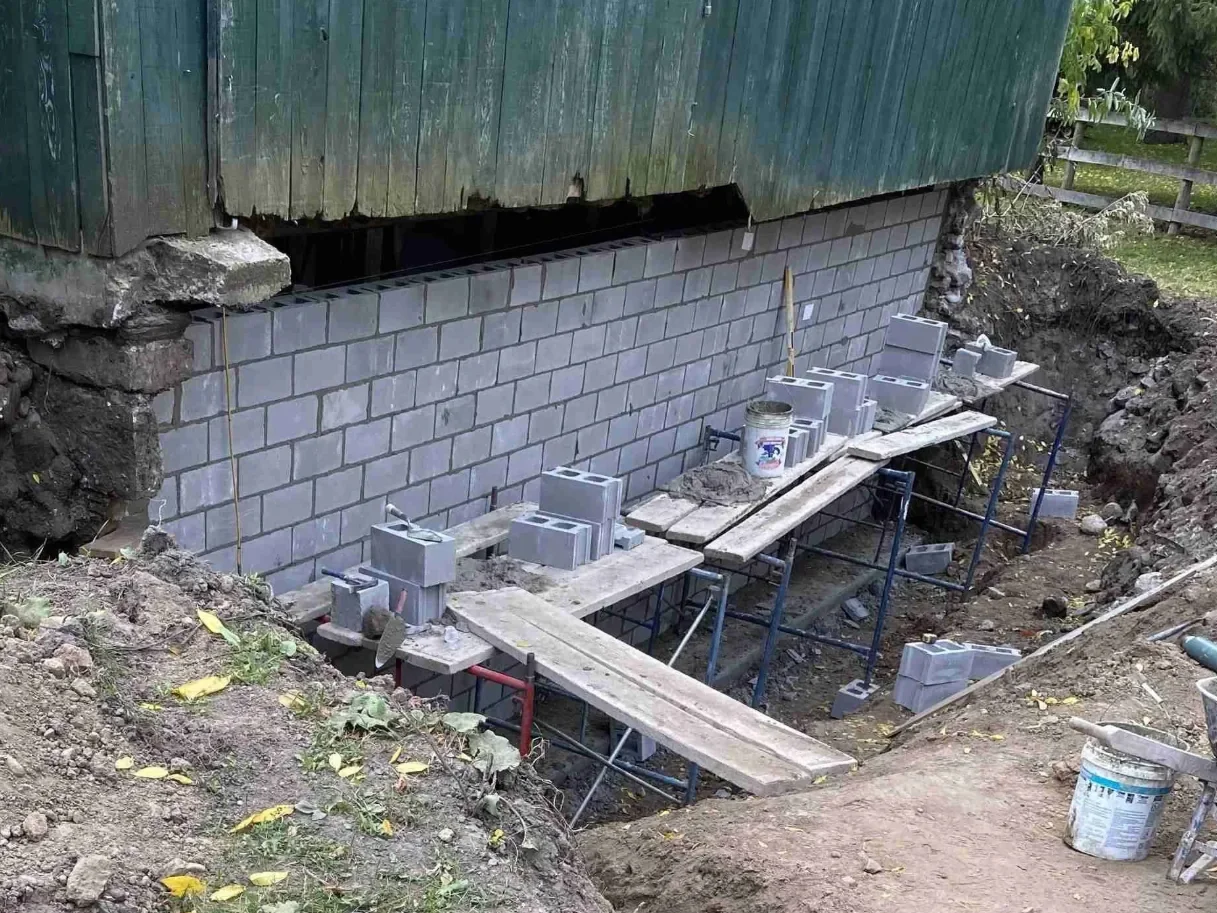
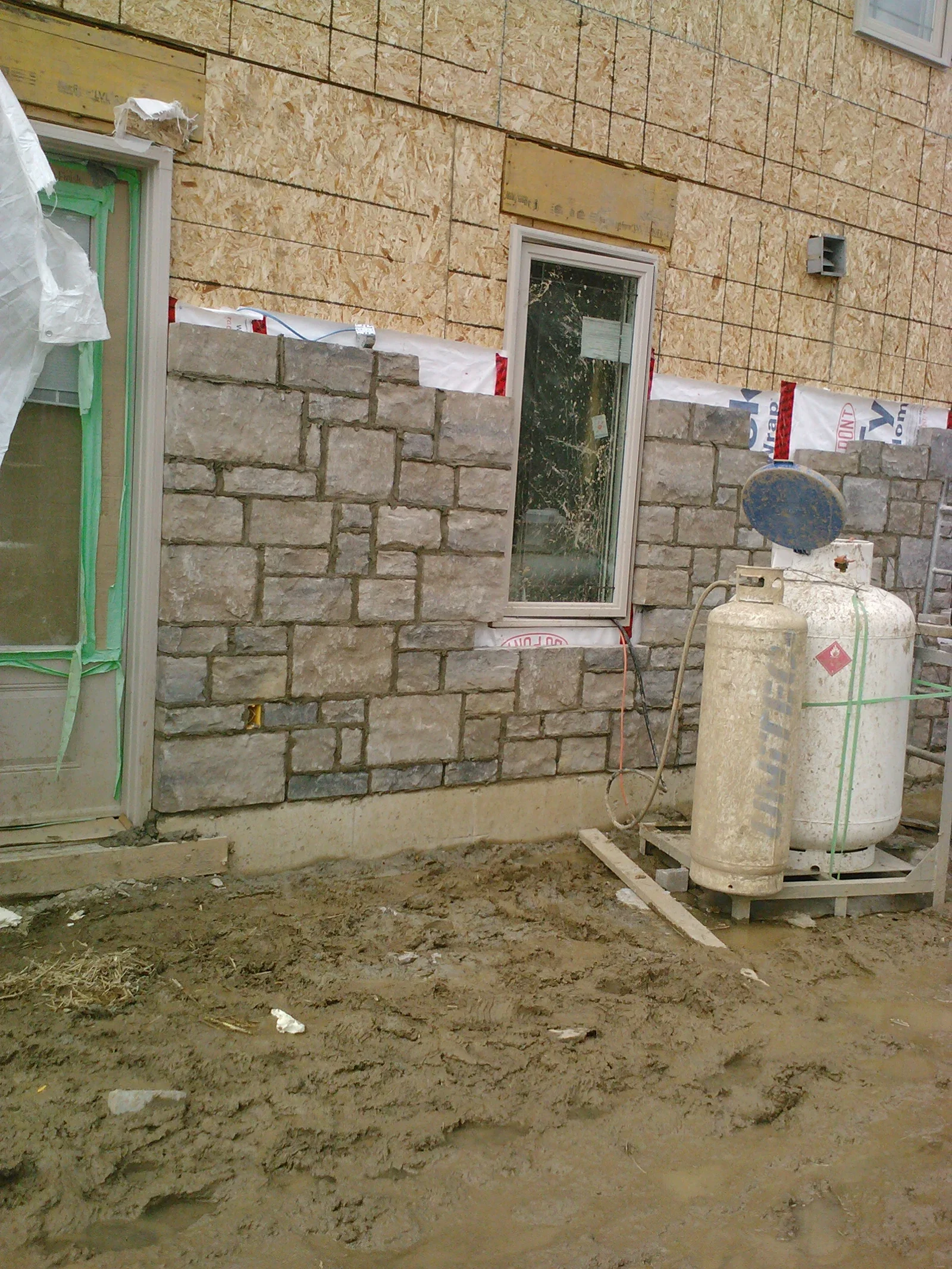
Block foundation work is shown during installation below an existing exterior wall. This process view records the masonry scope and site access.
Browse Work by Masonry Type
Additional project views are grouped by the same six service families used across the TrueNorth Services page.
Brick Repair & Replacement
Brick work ranges from localized deterioration around openings to restored wall sections. Material condition and the surrounding masonry help define the repair.
Tuckpointing & Mortar Restoration
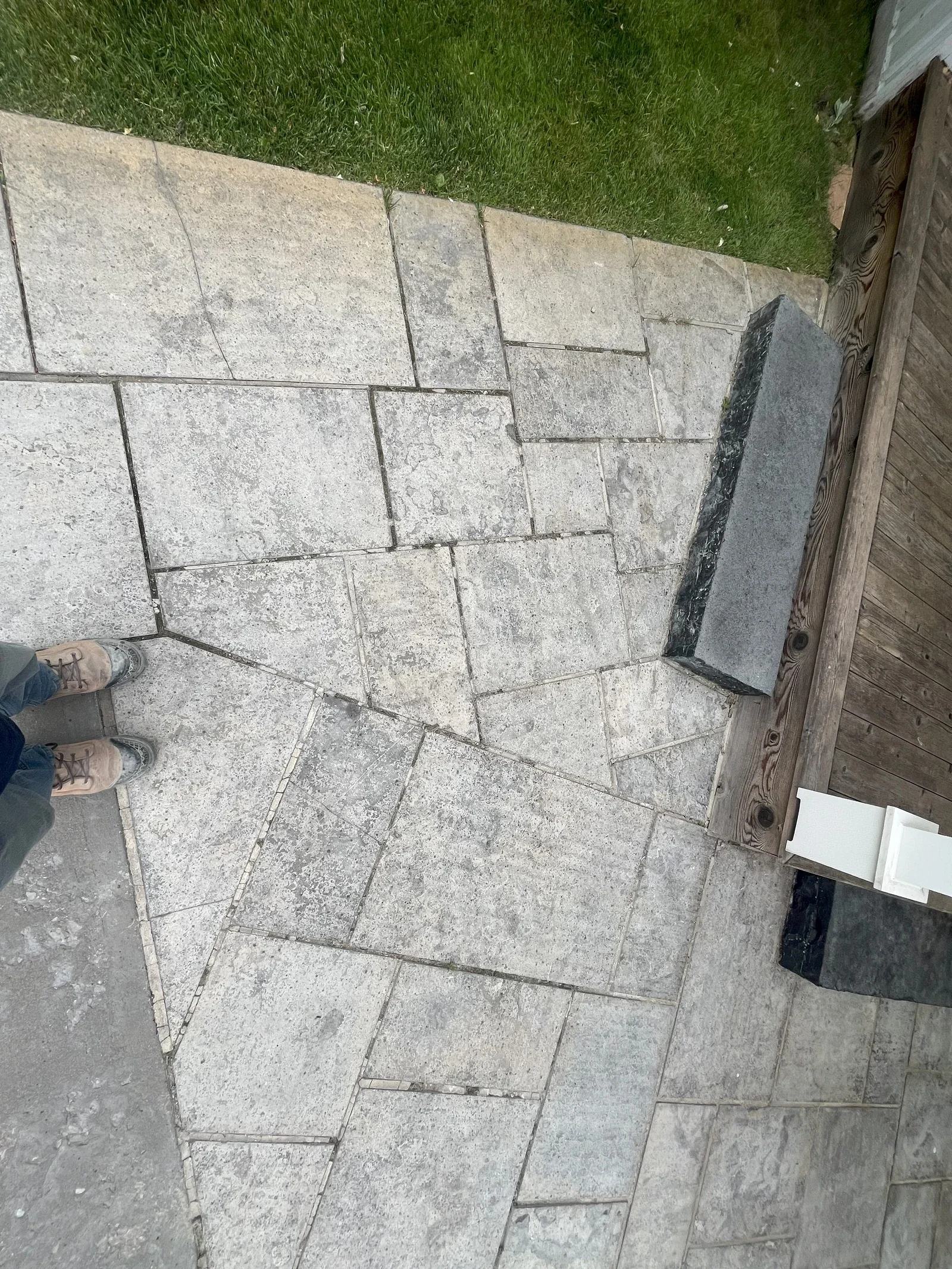
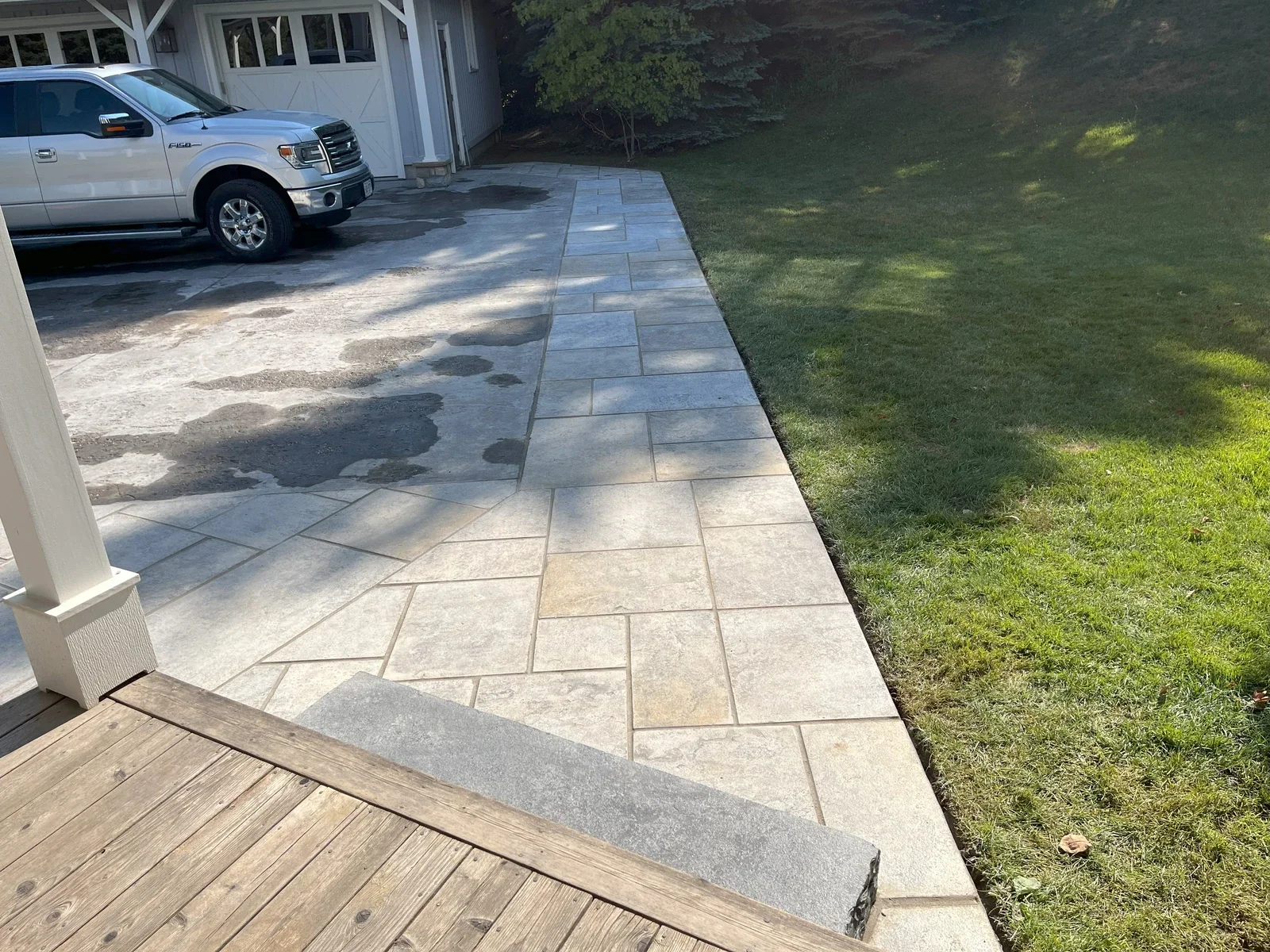
Mortar restoration renews deteriorated joints around retained masonry. This verified sequence shows an existing flagstone walkway and its restored joints.
Chimney Repair & Rebuild
Chimney work may involve brick or stone masonry, upper sections, and visible cap details. Roofline access remains part of the project context.
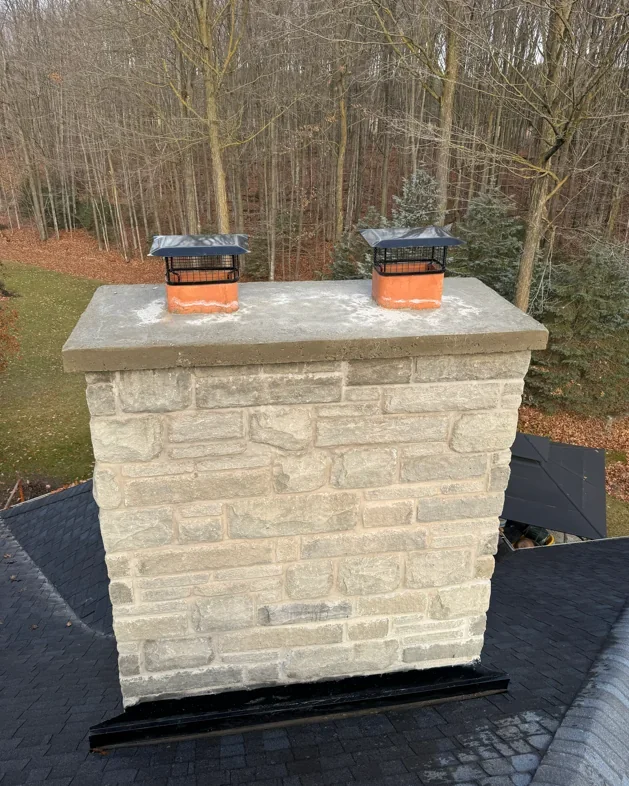
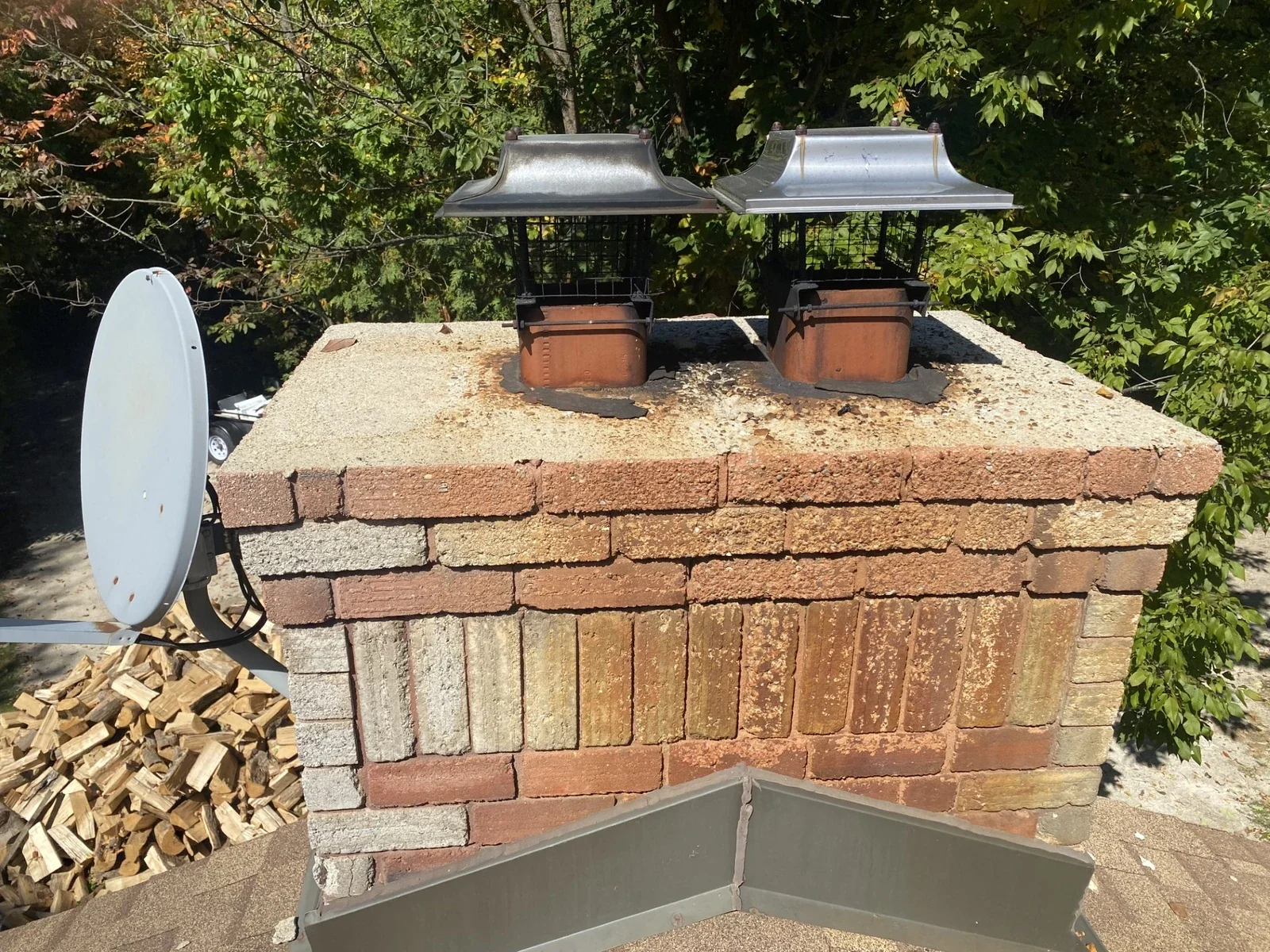
Stone, Veneer & Fireplaces
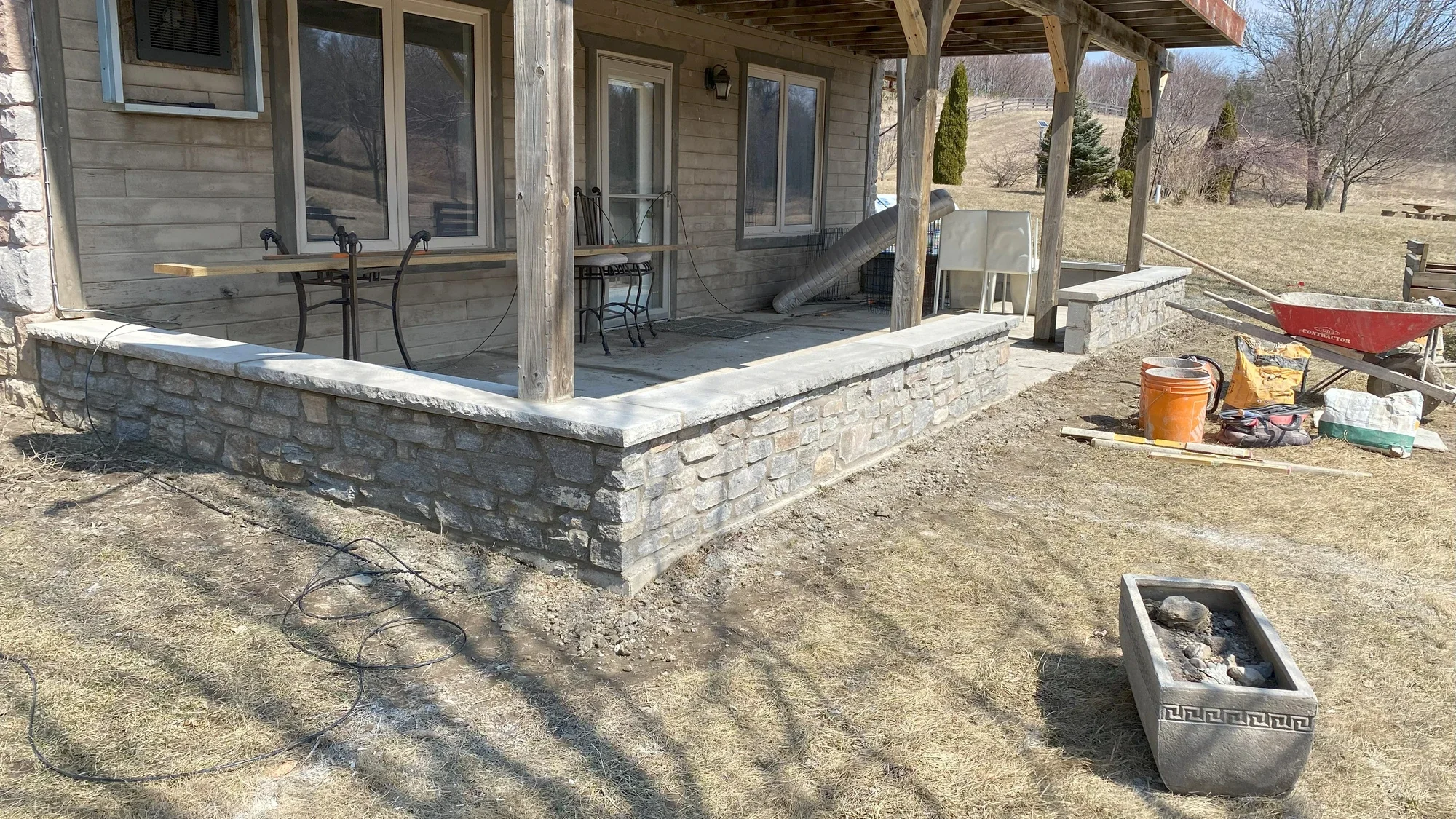
Interior and exterior stonework includes fireplaces, wall areas, and veneer projects. These views keep the stone pattern and surrounding openings visible.
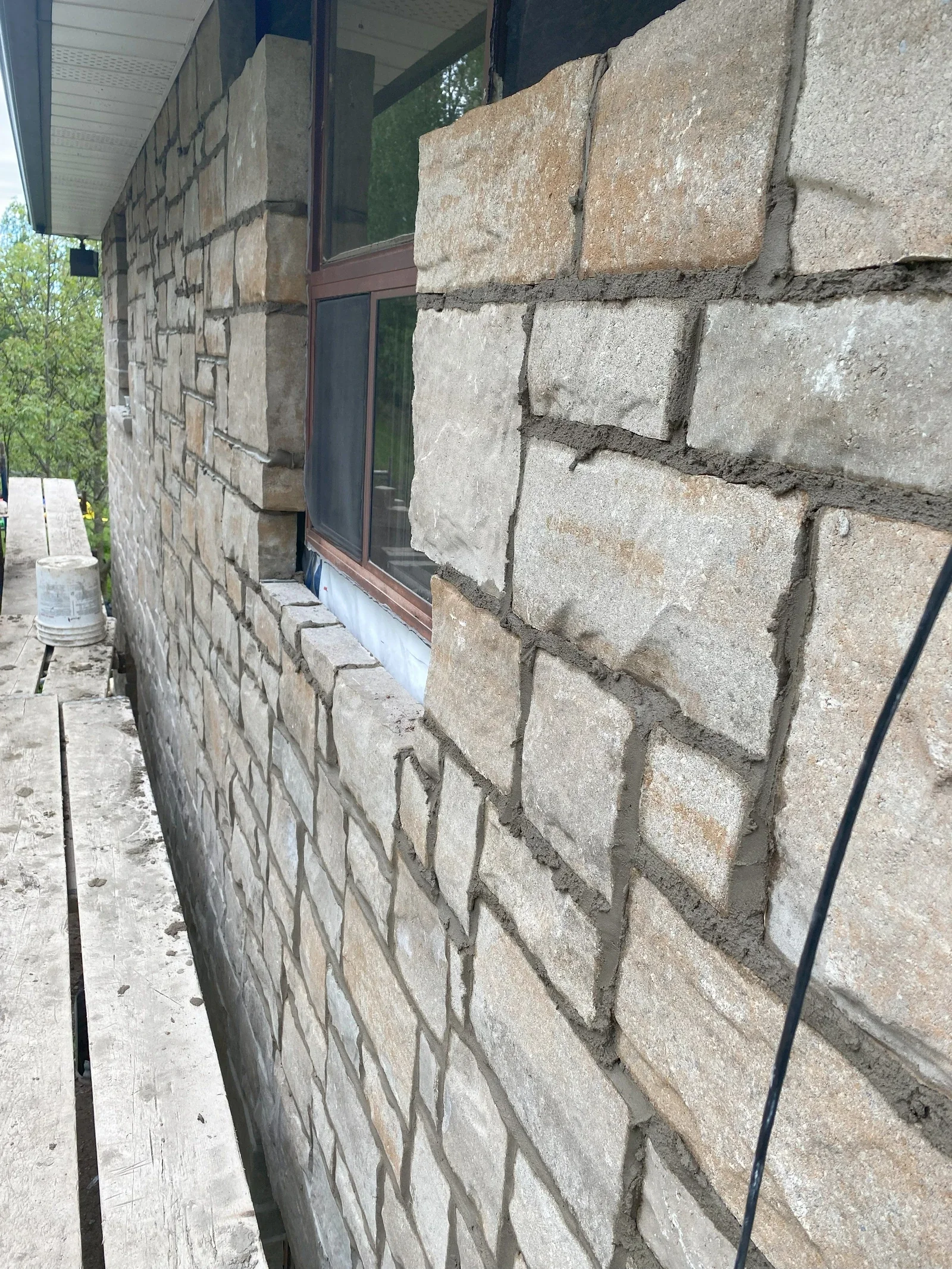
Foundations, Block & Parging
Foundation-area masonry can include block installation, stonework, and substrate preparation. Process and finished views document different parts of that work.
Flagstone, Sills & Localized Repairs
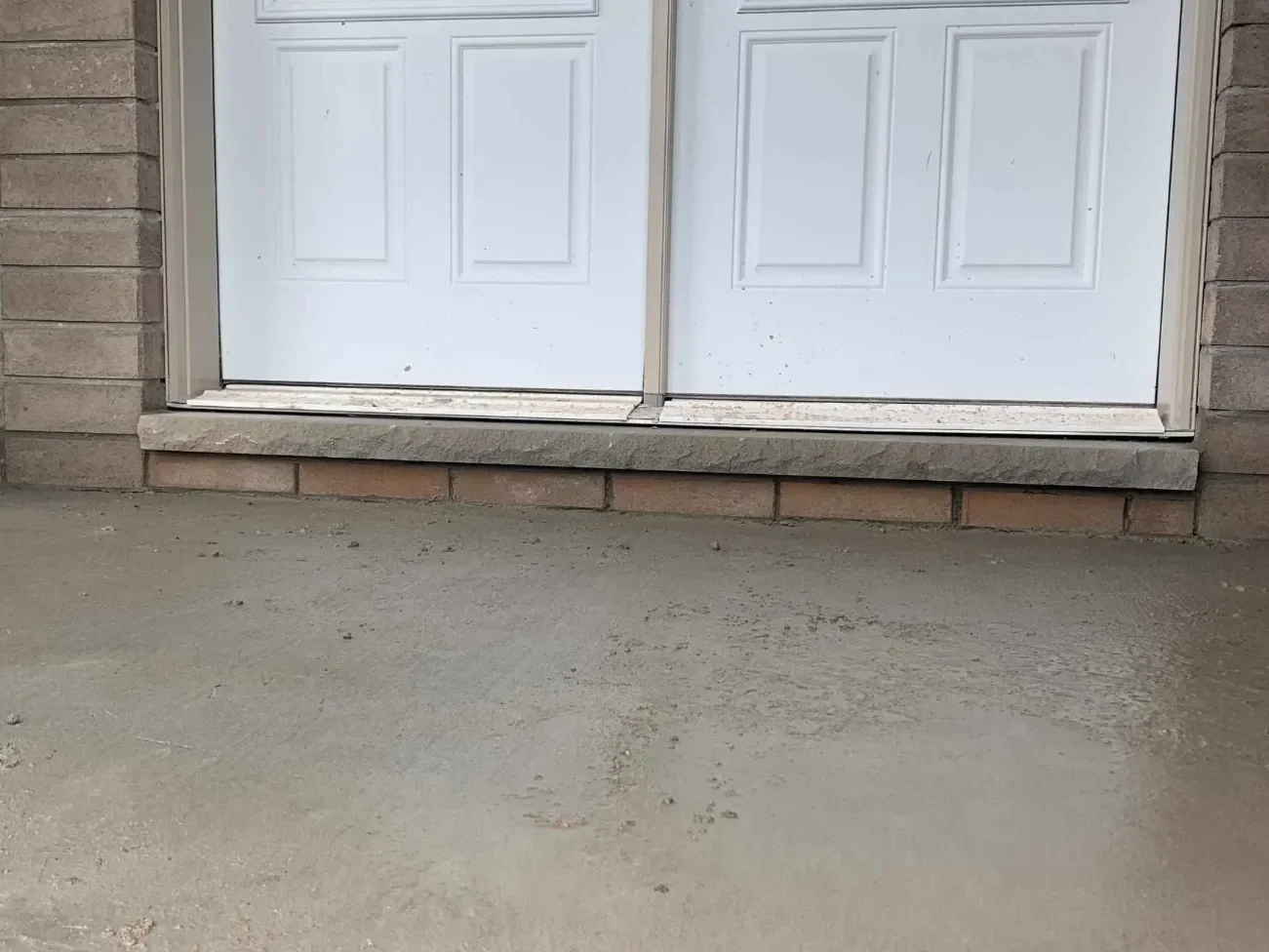
Flagstone paths, entrance steps, and masonry sills are documented in their surrounding context so the visible work remains easy to understand.
Every Project Has Its Own Conditions
These examples document work across different masonry conditions and project types. Similar-looking work may still require different scope because access, materials, deterioration, and concealed conditions vary. They are project evidence, not fixed repair packages or pricing templates.
See how TrueNorth worksHave a Similar Masonry Project?
Send photos for an existing masonry concern or discuss a planned project with TrueNorth.
Not sure yet? Use the masonry FAQ.