


A Masonry Company Built to Do the Work Properly
TrueNorth Stonecraft was created around a simple responsibility: understand the masonry work, define it clearly, and carry it through with responsible planning and follow-through.
Good workmanship matters. So do the decisions made before installation and the commitments kept after scope is agreed. TrueNorth brings those responsibilities together as one company standard.
Good Masonry Can Be Undermined Before the Work Begins
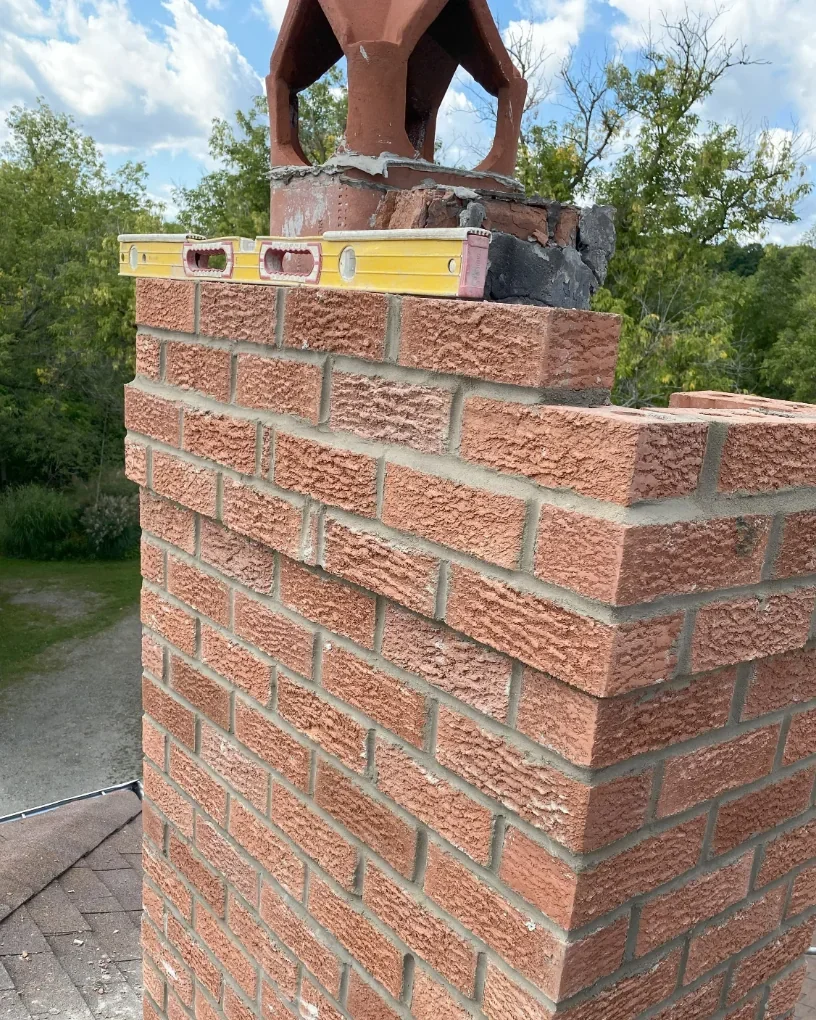
Field experience showed that masonry projects are not shaped by workmanship alone. A sound repair or installation can be put at risk when the condition is assessed too quickly, the scope is incomplete, the price is based on missing information, or the proposed method does not fit the masonry that is actually there.
The same is true when access, preparation, sourcing, sequencing, communication, documentation, or changes are afterthoughts. These details influence what can be promised, how work should proceed, and whether the result reflects the agreement.
TrueNorth exists to connect the technical and operational sides of masonry work so important responsibilities do not fall between them.
Experience Revealed a Broader Standard
The company grew from over two decades of practical masonry experience: seeing how materials behave, how symptoms can point to different causes, how access changes a repair, and how the right method depends on the surrounding condition.
That experience also revealed recurring contracting problems—unclear expectations, rushed numbers, incomplete scopes, weak records, and poor follow-through. TrueNorth was built to address the whole pattern. Trade judgement remains at the centre, supported by standards for how information is gathered, decisions are made, and commitments are carried.
One Standard From First Review to Completion
“Done properly” is not a claim that every project is simple or that every hidden condition can be known in advance. It means approaching the work with enough discipline to make responsible decisions and communicate uncertainty honestly.
Understand the project before pricing it
The visible condition, likely cause, access, preparation, materials, sourcing, sequencing, travel, equipment, disposal, and possible return requirements all help define the real work.
Write the scope around the work being offered
A useful quote should make the included work, important assumptions, exclusions, and responsibilities understandable. The price must support the scope it promises rather than depend on the project becoming easier later.
Choose methods and materials for the condition
Repair direction should respond to the masonry, substrate, exposure, surrounding construction, and practical limits found at the project—not to a one-size-fits-all answer.
Carry decisions through
Planning, scheduling, communication, documented changes, site execution, and completion review should remain connected to the agreed scope. When the right path cannot be responsibly defined, the project may need more review or may not be the right fit.
Better Work Needs More Than a Good Finish
The visible result is important, but it is only one part of a well-run masonry project. The quality of the assessment affects the scope. The scope affects the plan. The plan affects preparation, materials, access, sequence, and the ability to complete the work responsibly.
TrueNorth treats that chain as part of the craft. Structure does not replace judgement or workmanship; it gives them a clearer path. It helps keep what was reviewed, quoted, agreed, changed, and completed connected instead of relying on disconnected conversations or informal memory.
See how projects are estimated, documented, and managedExperience Built Into the Company
Over two decades of masonry experience shaped how TrueNorth assesses conditions, defines scope, plans the work, documents decisions, and follows projects through.
That knowledge is carried into TrueNorth’s operating standards and TrueNorth OS—the internal system used to support estimating, documentation, project records, and continuity. The system helps preserve the standard; qualified people still apply the judgement and complete the work.
Focused Masonry Work, Clearly Defined
TrueNorth focuses on masonry repair, restoration, rebuild, and selected installation work involving brick, chimney masonry, stone, mortar, foundation-area masonry, parging, sills, openings, and related preparation where the scope is a responsible fit.
The Services page explains those categories and the right starting path in more detail. Project fit depends on the condition, access, location, timing, supporting work, and whether the masonry responsibility can be clearly defined.
Explore Masonry ServicesSee the Standard in the Work
The clearest proof of a masonry company is the work it is prepared to show and the way it sets expectations around that work. View selected project examples to see the kinds of repair, rebuild, restoration, and installation conditions TrueNorth handles.
If you have an existing masonry issue, send clear photos and project context for review. If you are planning new masonry or a defined project, start with a consultation. The first step is not a promise or a rushed number; it is choosing the path that fits the work.