


Masonry Repair and Selected Project Work in Grand Valley
TrueNorth Stonecraft is based in Orangeville and considers suitable masonry repair, restoration, rebuild, and selected planned project work across the Town of Grand Valley.
Existing concerns begin with close and wider photos. Planned work begins with a scoped discussion so the masonry, site context, and intended result can be understood before the next step is chosen.
One Town With a Wider East Luther Context
The current Town of Grand Valley is a Dufferin County municipality formed from the former Village of Grand Valley and former Township of East Luther. The municipality has used the Town of Grand Valley name since 2012, so East Luther belongs here as historical and geographic context rather than as a replacement municipal name.
Grand Valley, Colbeck, and Monticello are communities within the surrounding municipal area. The property address and photographs identify which setting the masonry work is in.
Masonry Scope Considered for Grand Valley
The service families below follow TrueNorth's approved masonry services structure. Chimney, brick, mortar, foundation, block, and parging inquiries receive the clearest emphasis here, while stone and localized work remain available for appropriate scopes.
Chimney Repair & Rebuild
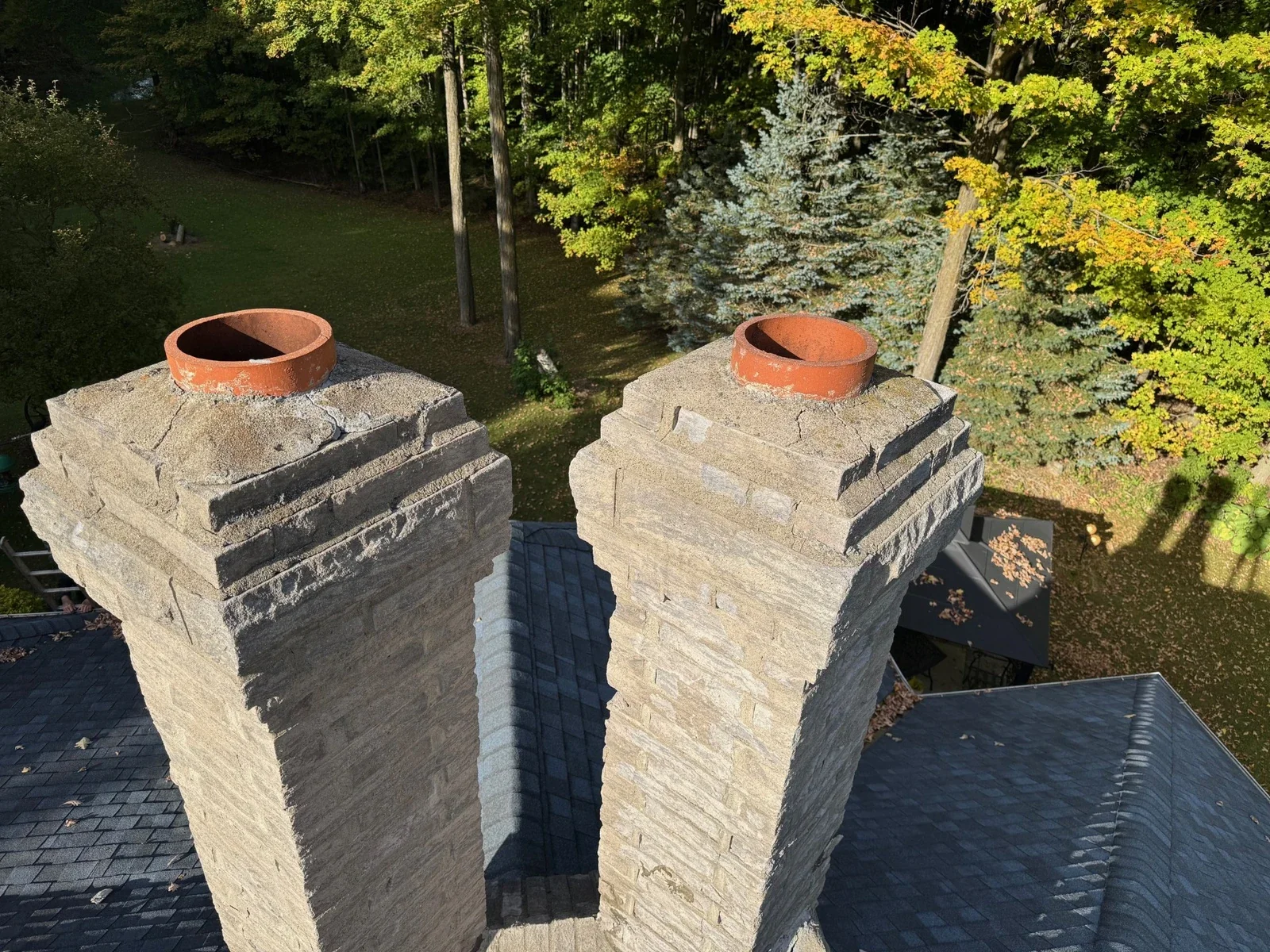
Visible masonry, cap condition, flue-area context, roof access, and the extent of deterioration help distinguish a repair from a more complete rebuild.
Compare chimney repair and rebuild pathsBrick Repair & Replacement
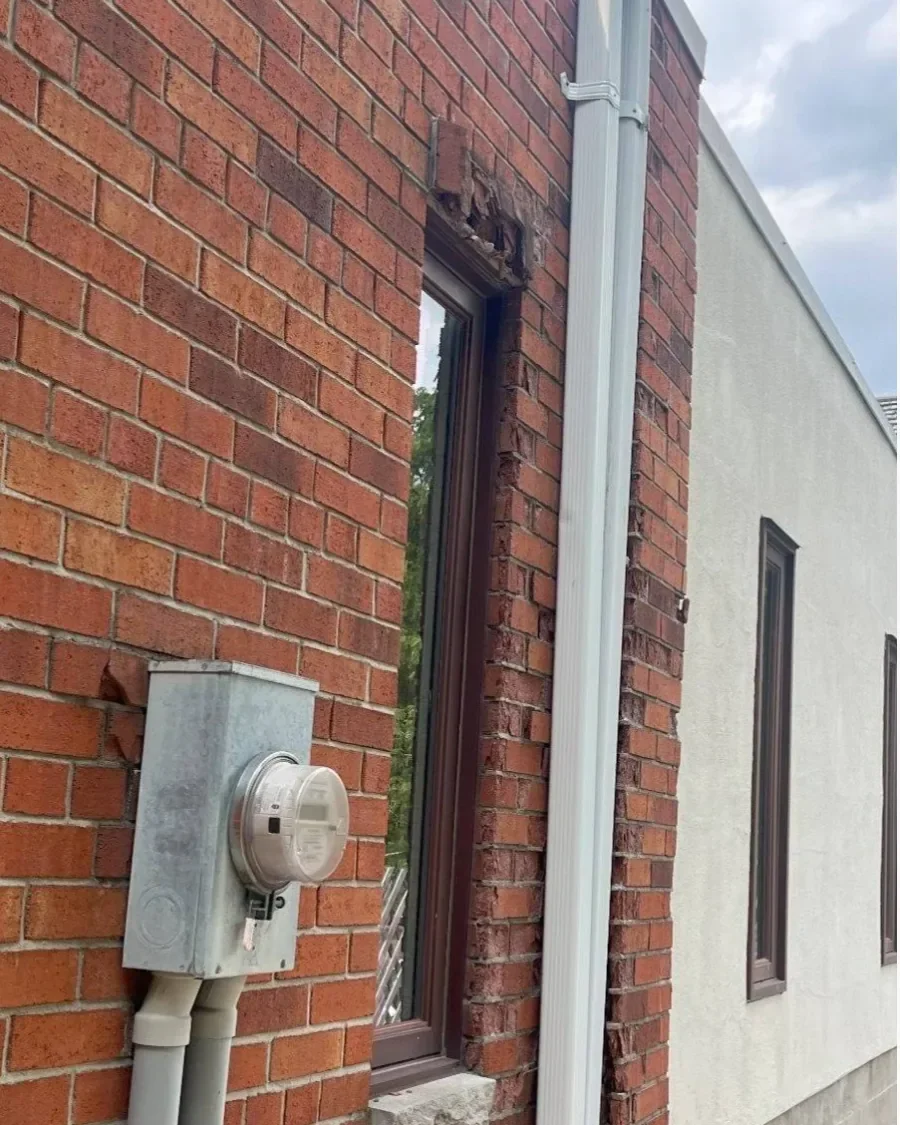
Damaged units, opening-area masonry, adjoining conditions, and the practical limits of material matching are reviewed together before replacement scope is defined.
Review brick deterioration guidanceFoundations, Block & Parging
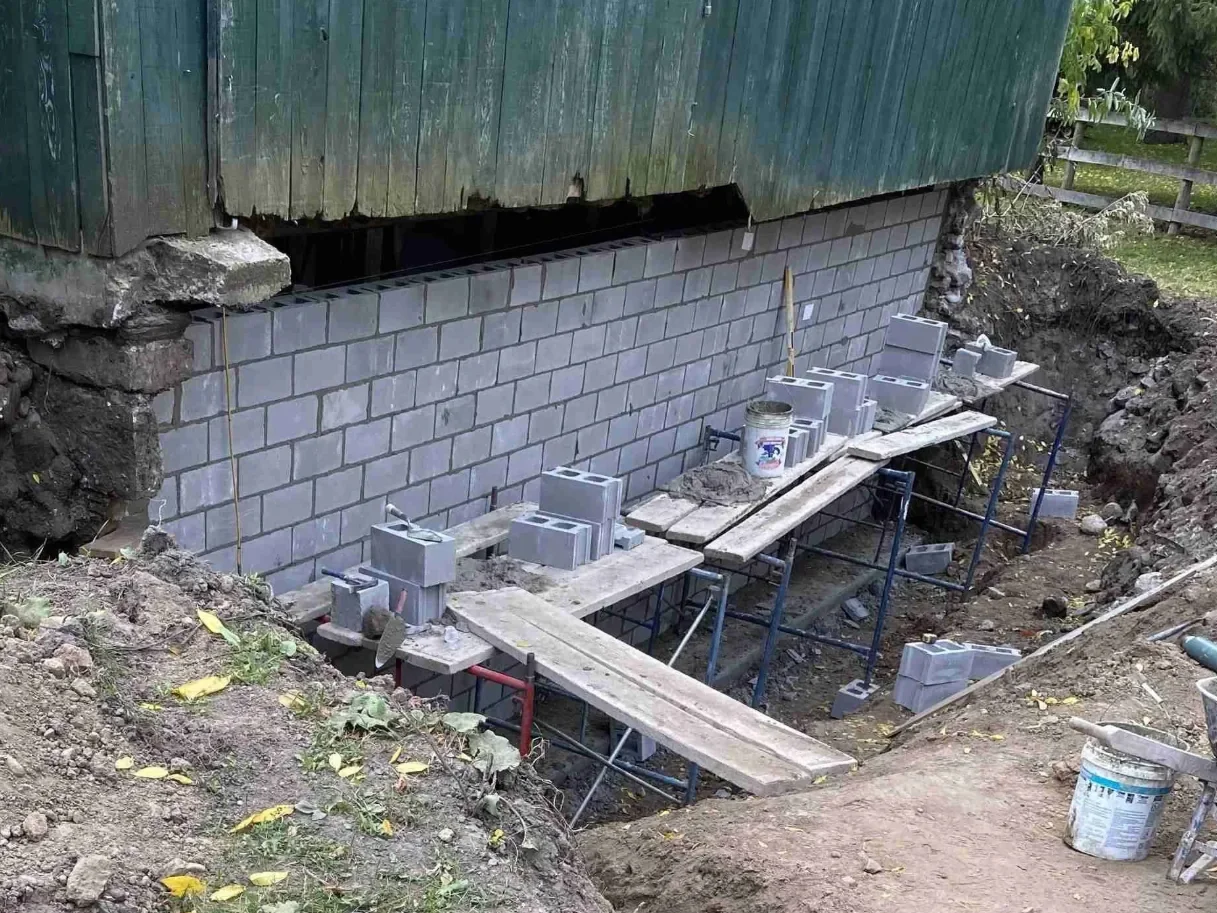
Block masonry, foundation-area repairs, substrate preparation, and parging concerns are separated so surface work is not confused with a different underlying scope.
Understand parging failureTuckpointing & Mortar Restoration
Mortar joints are reviewed for depth, continuity, unit condition, and surrounding wall context before a repointing approach is recommended.
See the mortar service familyStone, Veneer & Fireplaces
Planned stonework and veneer begin with substrate, dimensions, material direction, access, and the intended assembly rather than a repair assumption.
Start a planned masonry discussionFlagstone, Sills & Localized Repairs
Loose units, failed joints, sills, openings, and other bounded areas are reviewed with the adjacent masonry so the practical repair limit is clear.
Send a localized concern for reviewShow the Masonry Area Before Scheduling
A town property and a site outside the settlement area may present different planning questions, but neither should be assigned a scope from geography alone. Photos show what is visible; the surrounding context shows what the work may require.
If the masonry condition or working area is not clear from the first photographs, Andrew may recommend a closer assessment before preparing a written scope.
- Condition Views
- Close photos help identify the units, joints, surface condition, and boundaries that can be seen without assuming the cause.
- Property Context
- Wider views can show height, roofline, grade, carrying route, protection needs, and available setup space where those factors apply.
- Project Definition
- Dimensions, material direction, timing, and drawings help distinguish a planned installation from an existing repair inquiry.
Selected Work That Helps Explain Scope
These registered images show TrueNorth work related to the service emphasis above. No reviewed project record assigns them to Grand Valley or its smaller settlements, so they are presented as regional examples rather than local-project proof.
Start With the Information the Project Already Has
The first path depends on whether the masonry issue already exists or the work is still being planned. Both routes ask for enough context to make the next conversation useful.
Existing Masonry Concern
Send close and wider photos, the property location, a short description, and access or height context where it affects the work area. Andrew can then tell you whether the work is clear from the photos or needs a closer assessment.
Send Project PhotosPlanned Masonry Project
Use consultation for stone, veneer, fireplace, rebuild, installation, addition, or other planned work. Include dimensions, material direction, timing, site information, and available plans.
Discuss a Planned ProjectNot sure which path fits? Use the masonry FAQ before choosing a form.
Bring the Grand Valley Masonry Question Into Focus
Use photos for an existing concern or begin with consultation when the work needs planning, materials, and a defined project direction.
Email TrueNorth