


Masonry Repair and Project Review in Mono
TrueNorth Stonecraft is based beside Mono in Orangeville and reviews suitable repair, restoration, rebuild, and planned masonry work across the township.
Existing concerns begin with close and context photos. Planned work begins with a consultation so the intended scope, material direction, and relevant access information can be understood before the next step.
Mono Is a Township, Not One Compact Centre
The Town of Mono is a Dufferin County municipality with recognized communities and a wider rural geography. Mono Centre, Hockley, and Camilla are useful reference points for residents looking for masonry help in the area.
TrueNorth considers work across this municipal area according to the actual request. A property’s location helps establish travel and planning context, while the masonry condition and requested outcome determine whether the inquiry belongs on the repair or planned-project path.
Masonry Scope Worth Defining Before the Visit
The service families below cover the masonry repairs and planned work TrueNorth may consider in Mono. Chimney, brick, mortar, foundation, block, and parging work receive the clearest emphasis, while stone and localized work remain available for suitable projects.
Stone, Veneer & Fireplaces
Planned stonework and veneer begin with substrate, dimensions, interfaces, material direction, and the intended finished assembly.
Review veneer-over-brick decisionsChimney Repair & Rebuild
Visible masonry, caps, height, roof access, and the extent of deterioration help distinguish a defined repair from rebuild review.
Compare chimney repair and rebuild pathsFoundations, Block & Parging
Block, foundation masonry, and parging concerns are considered from the base condition rather than treating the surface finish alone.
Understand parging failureBrick Repair & Replacement
Damaged units can be reviewed for localized replacement, adjoining condition, repair limits, and closest practical material matching.
See all masonry service familiesTuckpointing & Mortar Restoration
Joint deterioration is evaluated for depth, surrounding units, and whether selective renewal or a broader mortar scope is justified.
View selected masonry workFlagstone, Sills & Localized Repairs
Loose units, failed joints, sills, openings, and other bounded areas are reviewed with adjacent masonry and setup needs in view.
Send an existing concern for reviewAccess Questions Help Establish the Working Plan
Mono’s dispersed township form makes location and site context useful, but it does not mean every property presents a difficult setup. The relevant questions depend on the work area in front of the mason.
Wider Context
Photos that show the masonry in relation to the building, grade, roofline, or surrounding work area reveal details that a close-up alone cannot show.
Setup and Handling
Where relevant, the available setup area, carrying route, elevation, staging room, and equipment position can affect how the work is approached.
Scope Confidence
If the photos show the condition clearly, the next steps can often be discussed remotely. If the assembly or access remains unclear, a closer assessment may be recommended.
Every property is different. Access, construction, age, materials, and the repair itself should be discussed from the photographs and address. See how project information is carried forward.
Selected Work for Scope Reference
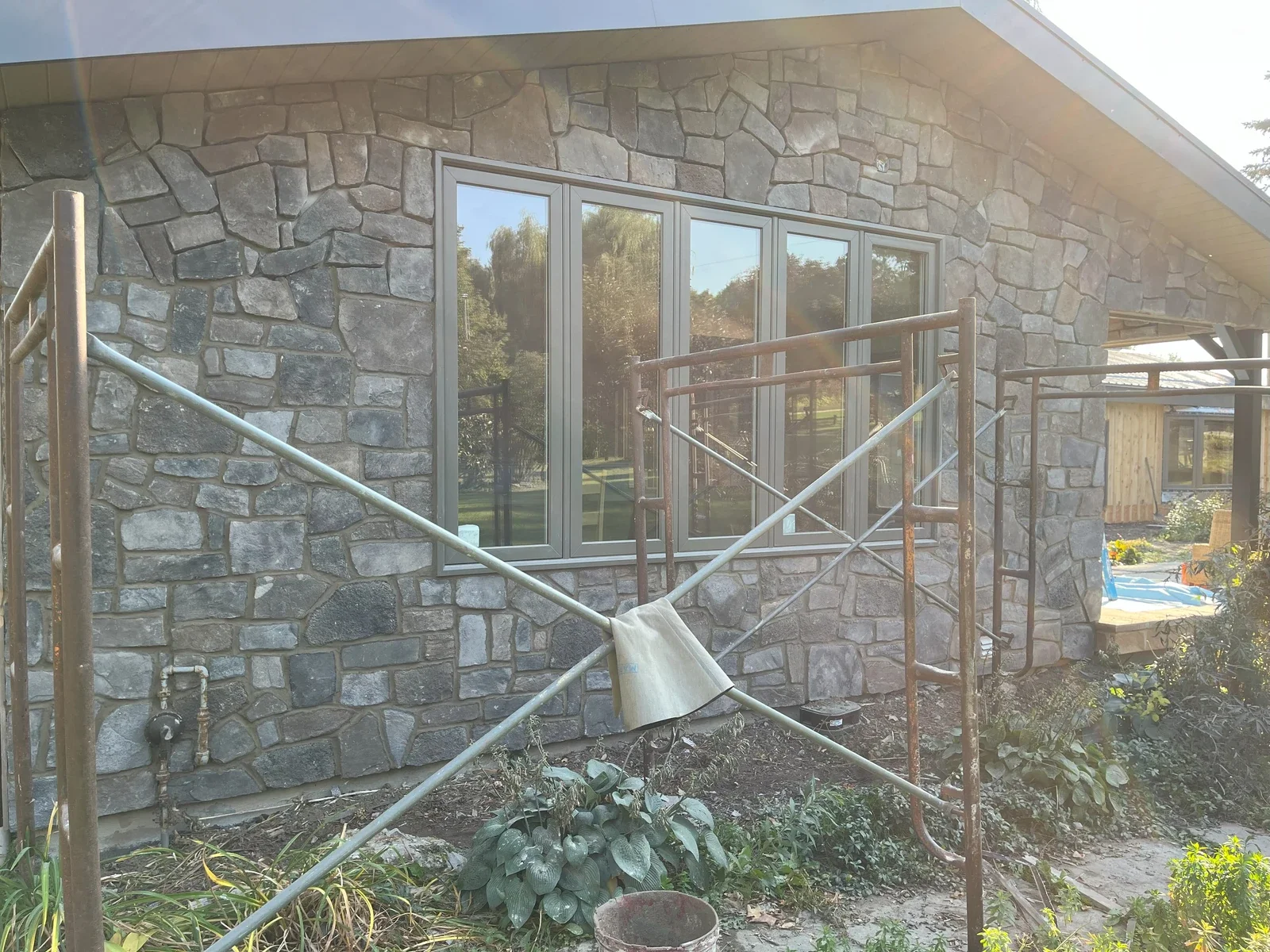
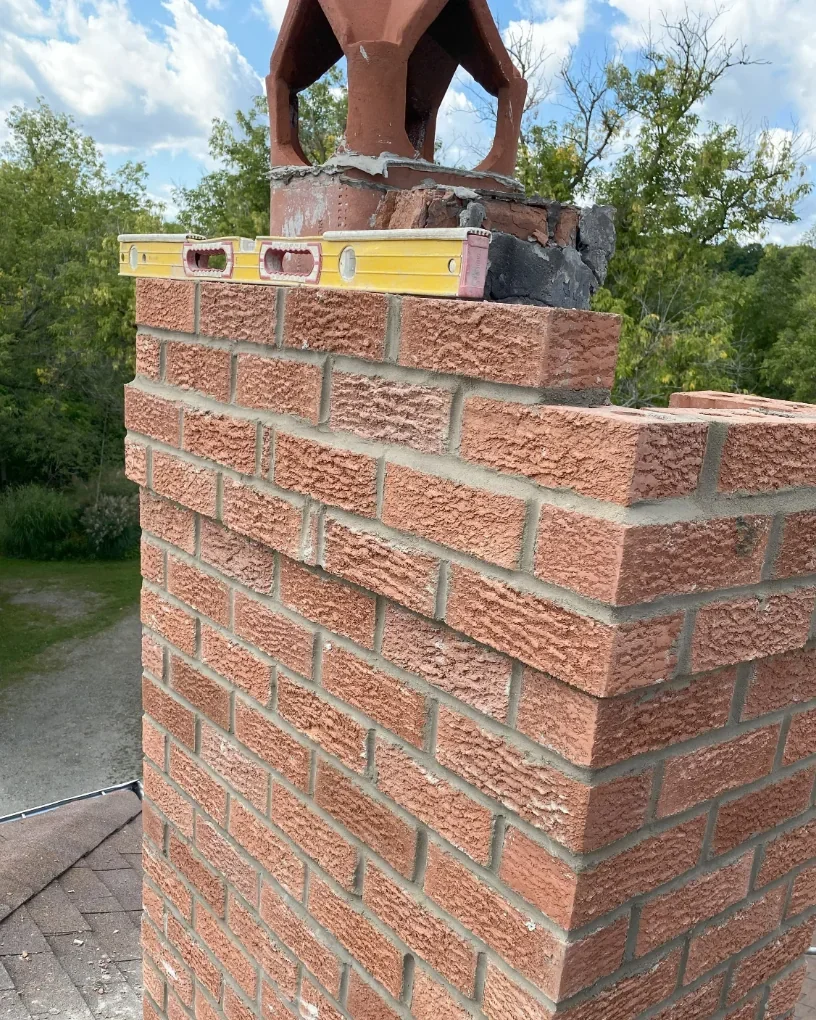
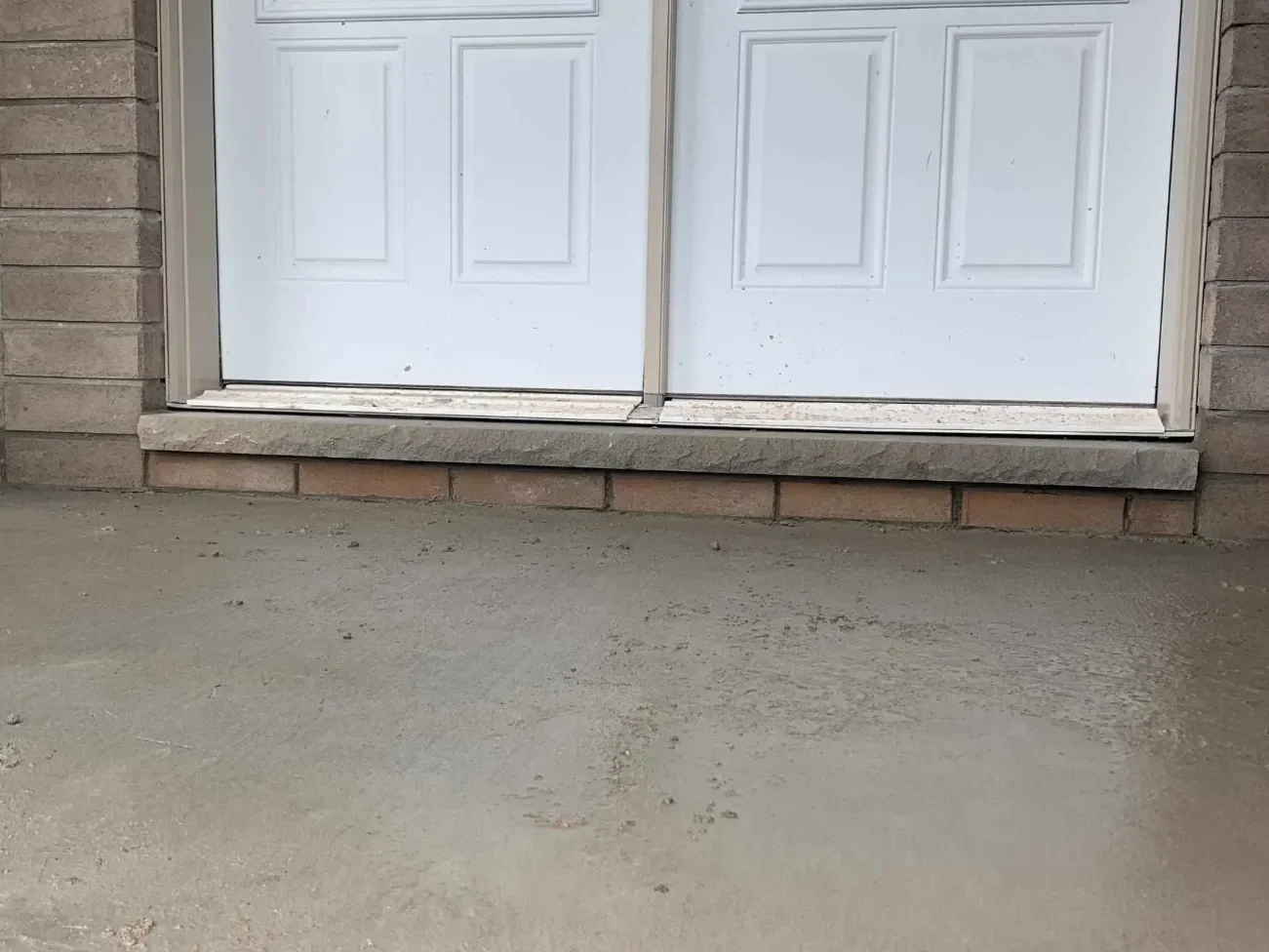
These registered regional examples show the kinds of chimney, brick, mortar, and foundation work described above. They are not assigned to a Mono property.
Begin With the Information That Fits the Inquiry
The initial path is based on whether the masonry already exists as a concern or the work is being planned.
Existing Masonry Concern
Send close and wider photos, the Mono property location, and a short description. Include roofline, elevation, setup, or carrying context only where it helps explain the work area.
Send Project PhotosPlanned Masonry Project
For stone, veneer, fireplace, installation, addition, or rebuild planning, share dimensions, material direction, site information, timing, and drawings where available.
Discuss a Planned ProjectNot sure which path applies? Use the masonry FAQ before choosing a form.
Put the First Project Details on the Table
Use photos for an existing concern in Mono, or begin with consultation when the masonry work is planned and needs a defined scope.
Email TrueNorth