
A Better-Run Masonry Project
Experienced masonry deserves a project process built with the same care. TrueNorth combines practical field judgement with defined company standards to support clearer estimates, better documentation, organized communication, and dependable follow-through from the first review to project closeout.
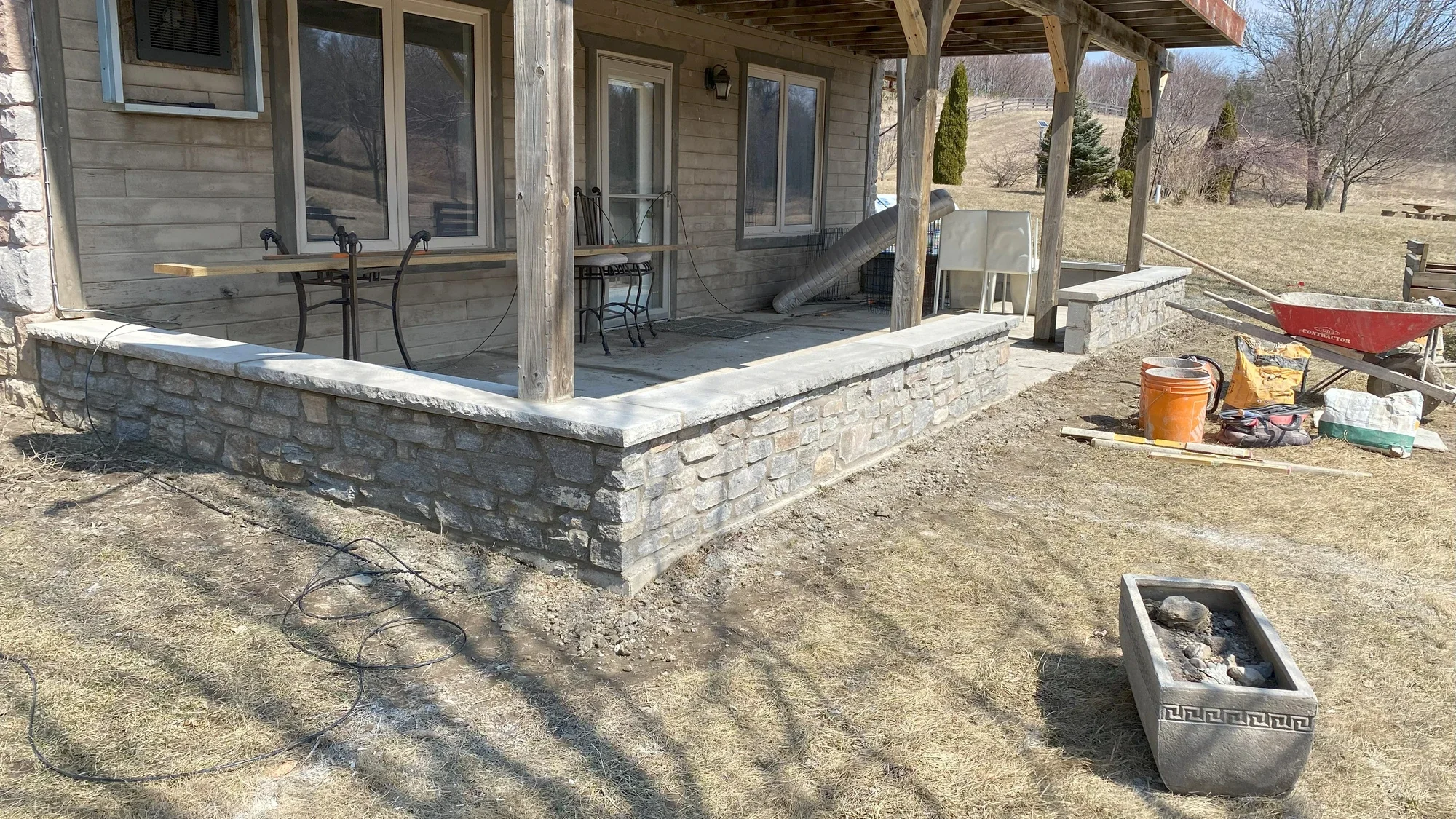
Good Masonry Begins Before Installation
Craftsmanship is essential, but a well-run masonry project starts earlier. The condition must be reviewed, the intended result understood, and the work defined around the information available. Access, materials, sequencing, scheduling, weather, protection, documentation, and communication can all affect the practical path.
The visible masonry
Brick, stone, mortar, block, and parging each bring different condition and material questions. A responsible review considers what is visible, what remains uncertain, and whether a photo review, consultation, or site assessment is the appropriate next step.
The project requirements around it
Working access, setup, protection, material movement, adjacent surfaces, timing, and cleanup are part of the real project. Defining these requirements helps create a more complete scope without pretending every hidden condition can be known in advance.
Field Experience Turned Into a Company Standard
TrueNorth Stonecraft's founder is an experienced mason whose 20+ years of field judgement helped shape the company’s original estimating rules, scope standards, documentation expectations, planning requirements, communication practices, and safeguards.
That knowledge is carried into a repeatable TrueNorth process. Important decisions and project information do not have to live only in informal memory. Defined standards help the company apply experience consistently as projects develop and responsibilities are appropriately shared.
The System Behind the Work
TrueNorth OS is the internal operating system behind how TrueNorth evaluates, estimates, documents, manages, and completes masonry projects. It supports project intake, scope definition, assumptions and exclusions, practical requirements, scheduling, records, approved changes, commitments, and completion documentation.
It is company infrastructure derived from field experience, not software for sale and not a substitute for a qualified person. Its purpose is to keep useful information connected, make the project path easier to follow, and support more consistent decisions as work and responsibilities become more complex. For a homeowner, that means the estimate, agreed scope, project requirements, later decisions, and completion record can remain part of one traceable project story rather than becoming disconnected conversations.
A Consistent Project Process
Every project has its own conditions, but the information can move through a consistent path. Photo-based review, remote quoting, consultation, and site assessment can all fit within this process when appropriate. The stages are not a promise that every condition can be predicted. They provide a shared structure for deciding what is known, what still needs review, what has been agreed, and what must be carried forward.
-
Review
Understand the conditions, objectives, access, and evidence available before choosing the next step.
-
Define
Establish the work, assumptions, limitations, materials, and practical project requirements.
-
Document
Create clear estimates, scopes, agreements, and records based on what can be responsibly confirmed.
-
Manage
Track scheduling, communication, commitments, decisions, and approved changes as the project moves.
-
Complete
Finish the work, document completion, issue final records, and close out the project.
What This Means for the Client
The system stays behind the scenes. What matters publicly is how defined standards support a clearer, better-organized project experience.
Clearer expectations and estimates
Reviewing the available condition, access, and project requirements helps create estimates with clearer assumptions and fewer avoidable gaps. Homeowners can see the basis of the proposed path and where further confirmation may still be needed.
More complete written scopes
Defined inclusions, limitations, and practical requirements make it easier to understand what the proposed masonry work covers. Written scope also creates a clearer reference when questions arise before or during the work.
Better-organized records and continuity
Connected intake, scope, scheduling, and project records support continuity when information must be revisited or appropriately handed forward. This helps keep important context available instead of relying on scattered messages or recollection.
Traceable changes and follow-through
Documenting approved changes and completion records makes decisions easier to track and supports professional project closeout. It also distinguishes the original agreement from later conditions or client-approved adjustments.
Experienced People, Supported by Better Systems
Systems can organize information and preserve standards. They cannot inspect a condition, exercise trade judgement, communicate responsibly, or perform skilled masonry work. TrueNorth’s process is designed to support experienced people, not to automate responsibility away.
Qualified people remain accountable
People review the available evidence, define the project path, make decisions, communicate with the client, and carry out the work. Hidden conditions and real-world changes still require judgement and clear written communication. Where information is incomplete, the responsible next step may be further photos, consultation, assessment, or a revised written scope.
Standards support continuity
TrueNorth OS helps preserve project information and company standards as more projects are managed, responsibilities develop, or qualified people legitimately contribute. Client and project information remains private and is not used as a public software demonstration.